• Skip to primary navigation
  • Skip to main content
  • Skip to primary sidebar
  • Home
  • Posts
    • Home Care and Cleaning
    • Home Decor and Design
    • Yard Work & Gardening
    • Food & Recipes
    • Pets
    • Health and Wellness
    • Motivation and Self Help
    • Home Tips
    • Parenting Advice & Tips
    • Parties, Events, Holidays, Fun
    • Things That Make Life Easier
    • Home Finance and Budgeting
    • Shopping Advice
  • Cat Central
  • Share a Home Tip
  • Got a Question?

Loving Our Home | Home Tips, Advice, and Easy Recipes

Simple Home Tips and Solutions

Yard Work & Gardening

Easy Fall Yard Decorating Tips

September 21, 2015 By LovingOurHome.com Leave a Comment

It’s no wonder why fall is a favorite season for many people. The weather is still somewhat warm, but breezy and the sun is still shining. This is the perfect time to really enjoy your outdoor yard area. Here are some easy fall yard decorating tips that will allow you to transform your yard into an inviting and relaxing space for yourself and your friends.
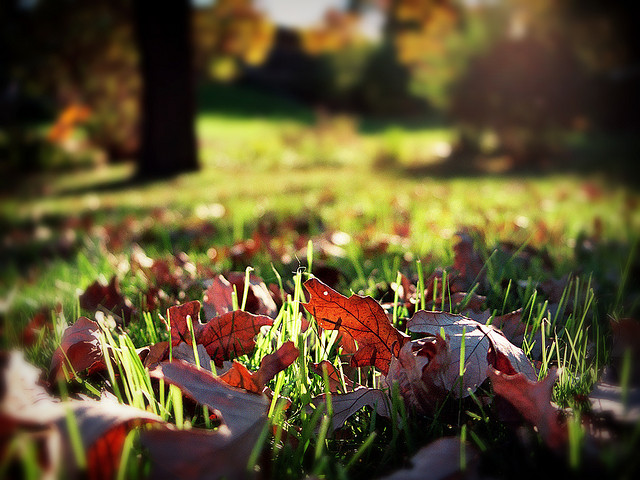
Fall Yard

Outdoor Seating

There is nothing more disappointing than sitting outdoors on a chair that is not comfortable. Invest in Adirondack style chairs for the fall. These chairs are so comfortable that cushions are not really required. Find a chair that has a matching ottoman or pair it with a different foot stool.
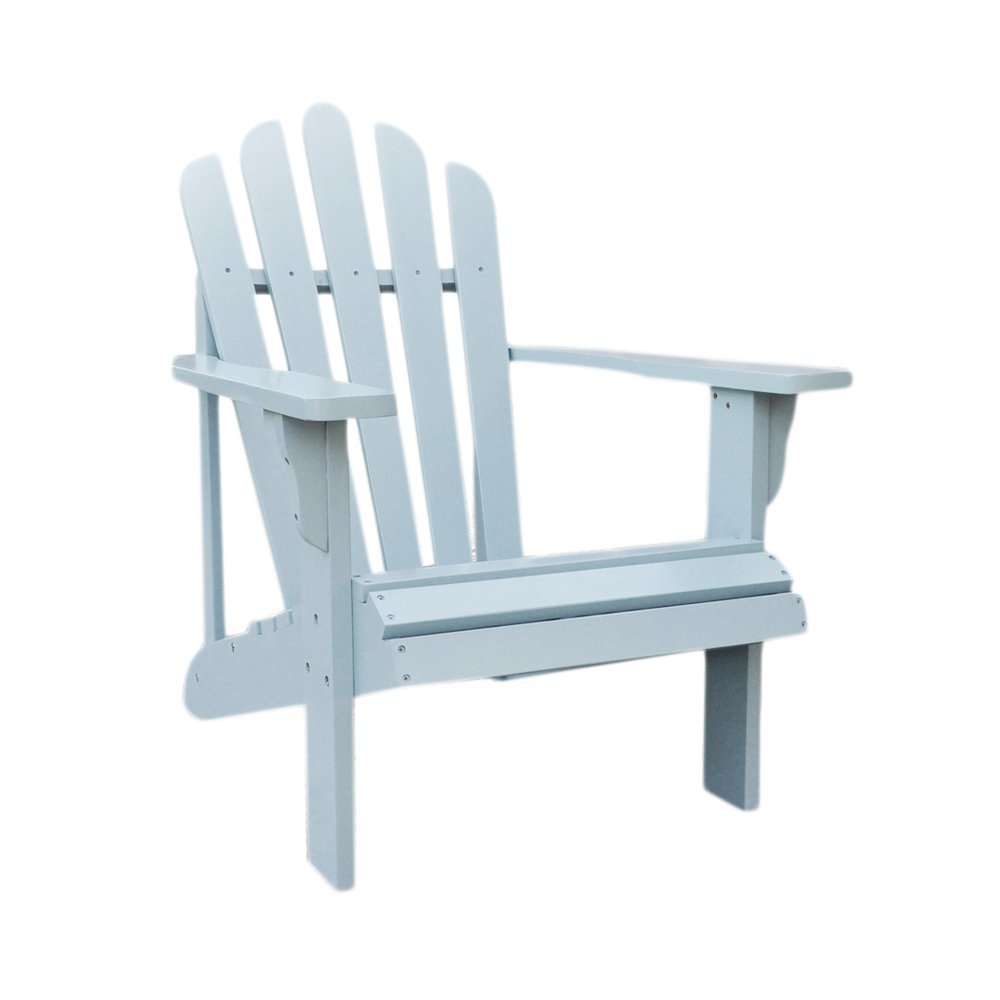
Adirondack Chairs

Arranging Chairs for Guests

The seating arrangement is key to creating an inviting atmosphere that encourages group conversations. So if you plan to have friends over this fall, arrange your seats in a tight arch or circle to ensure that your guests feel connected and engaged with one another. You can look forward to an evening of laughter and conversation.

Fire Pit

Now, to make accommodations for the chilly nights, simply add a fire pit to the center of your circle. You can get a fire pit on Amazon for about $50. This will provide much needed heat for you and your guests. You can even roast marshmallows and hot dogs, on a stick found within your yard, for a camp like experience. Just make sure you follow all safety instructions before and after lighting the fire pit.
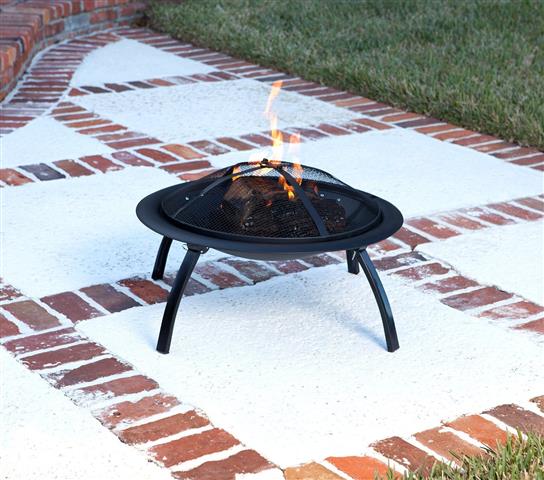
Fire Pit

Bug Protection

To make you and your guests even more comfortable in your yard this fall, purchase pumpkin scented citronella candles to keep unwanted bugs at bay. Light these candles at least thirty minutes before your guests arrive for the best results (and aroma). Remember to extinguish the candles at the end of the night so that they’ll be good for future use.

Hanging Deck Lights

If you have a deck, decorate it for those fall evenings with icicle lights. These are holiday lights with strings that hang down like icicles. Look for white or orange lights to create a really delightful atmosphere after dark. Also, get yourself a beautiful pumpkin for the season and arrange it near your seating area in a bed of leaves (you’ll probably have plenty of those available).

Icicle Lights

Your outdoor space can become the most relaxing area of your home with a few tweaks. It is great for star gazing, whether you’re alone or with others. You can even transform your backyard into a place for a romantic autumn evening with that special someone.

Get started on these easy fall yard decorating tips and have fun this fall!

Posted by Eve

Image credits: Flickr/jamesjordan, Flickr/secretwinter, Amazon
Share this:

  • Share on X (Opens in new window) X
  • Share on Facebook (Opens in new window) Facebook
  • Share on Pinterest (Opens in new window) Pinterest
  • Share on Tumblr (Opens in new window) Tumblr
  • Share on LinkedIn (Opens in new window) LinkedIn
  • Email a link to a friend (Opens in new window) Email
  • Print (Opens in new window) Print
  • More
  • Share on Reddit (Opens in new window) Reddit

Filed Under: Home Decor and Design, Parties, Events, Holidays, Fun, Yard Work & Gardening Tagged With: fall tips, fall yard decorating, home decor, yard decorations

Yard Workout: Burn Calories Doing Yard Work

June 22, 2015 By LovingOurHome.com Leave a Comment

It’s estimated that you can burn as many as 450 calories per hour while doing yard work.Think about that the next time the grass needs trimming or the garden needs some tending!

How awesome is it that you can burn calories while beautifying your property. Here are a few ways to turn common yard work duties into an intense full body workout.

Preparing for Your Yard Workout

Before you begin any exercise it is of the utmost importance that you are well hydrated before, during and after the activity. You should also consume a well-balanced meal a couple of hours before beginning. It’s also important to stretch your legs, back and arms before getting started. If you have health concerns, consult a doctor before beginning any new health regimen.

Raking the Yard

Flickr/donhomer

One common outdoor chore is raking the yard when it’s full of leaves. Stand with your feet a little more than shoulder width apart while maintaining good posture. Use long sweeping motions to gather debris with the rake, and as you stretch forward bend your knees and engage your core. Make sure that you alternate sweeping motions from left, right and front. Do this at a pace that will raise your heart rate. These motions also force you to engage your legs, back and arms. Make small piles of debris and move onto the next area.

When all the piles are completed, it’s time to throw the debris into the trash bin. Do squats. With your feet shoulder width apart, stand over the pile of debris, do a power squat down as low as you can go, grab debris with both hands, lift your body up and throw the leaves into the bin. Repeat these steps for all piles (take a break if needed).

Tidying the Yard

Even if it’s not the fall season, you probably have debris on your property that accumulates throughout the week, such as papers, branches and sticks. Every time you find something new, do five jumping jacks or 10 standing leg lifts (put your hands on your hips and alternate lifting your legs forward or to either side). When you’re done doing your reps, bend at the knees to pick up the debris.

Mowing the Lawn

Flickr/seanhobson
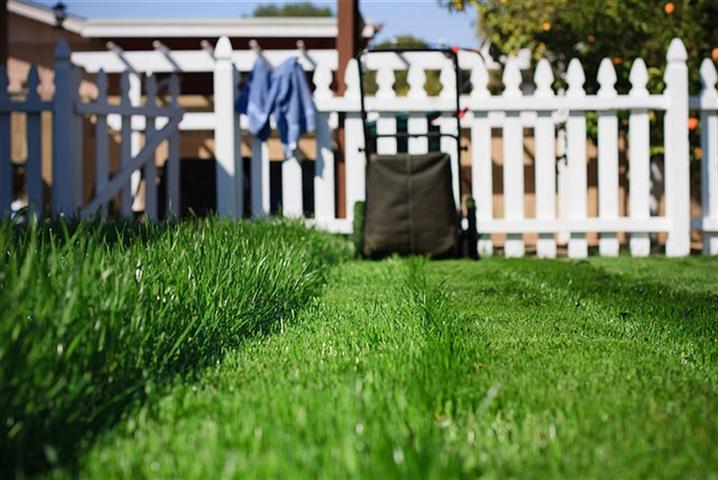
Most modern day stand up mowers are self-propelled, meaning there is no need to actually push the mower (it goes on its own; you just guide it). Turn off the self-propelling feature so that you’ll be forced to actually push the mower for a period of time. You can always turn it back on if you get tired. Mowing the lawn using your own power will raise your heart rate and make you burn calories. Remember: it’s important that you periodically take breaks and rehydrate with either cold water or a sports drink that contains electrolytes.

It’s totally possible to get a great full body workout when doing yard work. When you think about your chores in this way, they are less daunting and go by faster. While doing your yard workout,  concentrate on your breathing, good posture and hydration.

Have fun losing those pesky pounds!!

Posted by Eve


Photo credits: Flickr/donhomer, Flickr/seanhobson


Share this:

  • Share on X (Opens in new window) X
  • Share on Facebook (Opens in new window) Facebook
  • Share on Pinterest (Opens in new window) Pinterest
  • Share on Tumblr (Opens in new window) Tumblr
  • Share on LinkedIn (Opens in new window) LinkedIn
  • Email a link to a friend (Opens in new window) Email
  • Print (Opens in new window) Print
  • More
  • Share on Reddit (Opens in new window) Reddit

Filed Under: Health and Wellness, Yard Work & Gardening Tagged With: burn calories, gardening, lawn care, lose weight, workouts, yard work, yard workout

4 Amazing Benefits of Vegetable Gardening

June 22, 2015 By LovingOurHome.com Leave a Comment

Gardening at home, whether it’s done indoors or outside in your yard, can be a very satisfying experience. It’s estimated that over 160 million Americans garden every year. For many, it’s a hobby, for others a profession, for some it’s a way of life; it seems all gardeners garden because of its many advantages. Here are four benefits of vegetable gardening that might encourage you to get out there today and sow some seeds.

It Gives You Peace

Flickr/pictoquotes

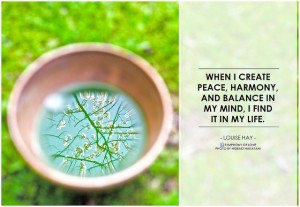
The average day is full of distractions, from the television to disagreements with family members. Your garden is a place where you can find some peace and serenity. The only distraction is the occasional butterfly or bee buzzing by. You can relax and listen to happy birds chirping nearby or put on a pair of headphones and turn on some classical music while you’re tending to your vegetable plants or working in the dirt. No matter what’s going on in your world, you can find respite by going to your garden and communing with nature.


You Feed Your Family and Save Money

Flickr/galant

One of the top benefits of vegetable gardening is that it gives you a way to provide your family with healthy, homegrown foods while also saving you money on grocery bills. A one-time investment of about $50 in seeds and supplies for a small garden can yield you hundreds of dollars in vegetables that you would have bought for your family at the supermarket during the year. Additionally, you can harvest the seeds from your newly grown veggies and keep them for a decade or more. Many say that stockpiling seeds is even more valuable than collecting gold–vegetable seeds give you the security of knowing that you’ll always be able to feed yourself and your loved ones.


You Get Moderate Exercise

Flickr/usdagov

If you’ve been looking for a way to ease back into a more active lifestyle, vegetable gardening just might be the solution. It gives you a way to do moderate exercise with a purpose.It’s estimated that you can burn 300 calories in an hour of gardening.

You’ll have an excuse to walk more as you carry supplies to and from your garden. You have to dig holes and till the soil with repeated back and forth motions. You’ll also have to bend and stretch to pull weeds and pick your greens. Once you get used to performing these activities every day and your body feels more refreshed, you might be inspired to step it up and start doing morning jogs around your neighborhood or a little yoga for lunch.


Your Kids Learn How to Grow (In More Ways Than One)

Flickr/all-seeing_angler

If you have young children or teens, vegetable gardening could be an activity that changes their lives and inspires them in the future. A lot of young people in modern times are housebound — tied to their computers. They rarely come outside unless they are trying to get better reception on their cellphones. If you show them how to garden from a young age, you’ll teach them the timeless lesson about sowing good seeds, watering them, watching them grow and then reaping the benefits. This lesson will apply to just about every area of their lives.

Let these 4 benefits of vegetable gardening be your inspiration for starting your own home garden this year. You may be surprised at how rewarding and uncomplicated it is to grow your very own veggies.

Posted by Jade

Photos courtesy: Flickr/pictoquotes, Flickr/galant, Flickr/usdagov, Flickr/all-seeing_angler


Share this:

  • Share on X (Opens in new window) X
  • Share on Facebook (Opens in new window) Facebook
  • Share on Pinterest (Opens in new window) Pinterest
  • Share on Tumblr (Opens in new window) Tumblr
  • Share on LinkedIn (Opens in new window) LinkedIn
  • Email a link to a friend (Opens in new window) Email
  • Print (Opens in new window) Print
  • More
  • Share on Reddit (Opens in new window) Reddit

Filed Under: Health and Wellness, Yard Work & Gardening Tagged With: benefits of gardening, exercise, gardening, vegetables, yard work

Flower Gardening Tips

May 11, 2015 By LovingOurHome.com Leave a Comment

Flowers, whether indoors or out, definitely add a great ambiance to your home.  There are a vast variety of flowers to choose from for your flower garden. Here are a few key considerations to keep in mind before you begin flower gardening this year.

Annuals or Perennials?

First, decide whether you want to plant perennials or annuals. Perennials are flowers that will bloom for you every year and annuals bloom only once (you have to replant them every spring). So if you want to see the same flowers every year definitely plant perennials. If you are a person who enjoys change, you should choose annuals. Switch things up every year and try something new.

The Birds, Bees and Butterflies

Next, decide on the atmosphere that you’re trying to create with your flower garden. Certain flowers attract a variety of different birds and insect. For example, if you enjoy the sight of butterflies and hummingbirds, grow flowers that produce nectar and flowers that are pollen-rich, like asters, fuschias and morning glory varieties. These types of flowers (nectar rich) can be found in both annuals and perennials. Keep in also that they will attract honeybees.

All the Colors of Nature

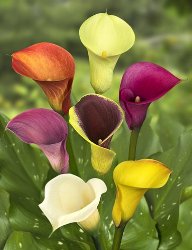
Calla LiliesLastly, decide on the color scheme for your flower garden. Focus on colors that will brighten your mood and make your backyard or patio look delightful, like reds, yellows, whites, purples and oranges. If you like pastel colors like lilac and light blue, then create a pastel flower patch that blooms in just those colors (try pansies, roses and calla lilies). If you happen to be a person who likes bold and dark colors, like deep reds, browns and black, then choose flowers that fit that color scheme (orchids, dahlias, irises and deep maroon sunflowers).

A Few Other Tips

Flower gardens are a beautiful accent to any home, whether they’re indoors, on a patio or lining your backyard. There is no “true” guide to follow — you have to follow your own inspiration. Do a little research and find out what flowers do best in your particular climate region to ensure that they will bloom fully and stay fresh and beautiful for as long as possible. Peep in on your neighbors and ask them questions to get ideas for flowers to grow.

Most of all have fun. Flower gardening should not be a chore — it should be a delight; something to look forward to each day.

Posted by Eve


(Image courtesy Flickr; malikdhadha)

Share this:

  • Share on X (Opens in new window) X
  • Share on Facebook (Opens in new window) Facebook
  • Share on Pinterest (Opens in new window) Pinterest
  • Share on Tumblr (Opens in new window) Tumblr
  • Share on LinkedIn (Opens in new window) LinkedIn
  • Email a link to a friend (Opens in new window) Email
  • Print (Opens in new window) Print
  • More
  • Share on Reddit (Opens in new window) Reddit

Filed Under: Yard Work & Gardening Tagged With: calla lily, flower books, flower garden, flower gardening, flower tips, gardening tips, growing flowers

Indoor Vegetable Gardening Tips

May 11, 2015 By LovingOurHome.com 61 Comments

Growing your own food is now more popular than ever before. Unfortunately, not everyone has the outdoor gardening space to do so. If this is your dilemma, transform an area inside of your home to grow some of your very own vegetables for family meals! And you don’t really have to spend a lot of money to do so. A one-time investment of about $75 will continue to bring you benefits well into the future, and you might even inspire your family and friends to do the same in their homes.

What to Grow…

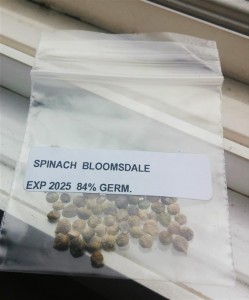
When growing indoors, you have to choose crops that won’t overwhelm your space. Some good choices are collard greens, spinach, peppers, carrots, potatoes, beans, peas, radishes, strawberries, and herbs (cilantro, oregano, basil, rosemary, etc). Try to choose foods that you buy

Heirloom Spinach Seeds

and eat on a regular basis. It’s important that you plant heirloom seeds — they are handed down generation after generation and grow successfully without much human intervention. You can get a small pack of seeds for about $25 here.

A note about seeds: A lot of foods are now being manufactured with genetically modified organisms or GMO.  Genes from the DNA are extracted and artificially forced into the genes of unrelated plants to make them resistant to bugs and disease. It also makes veggies grow faster, to yield more food for the farmer. Avoid foods produced in this manner as they haven’t been proven 100% good for humans. Starting an indoor organic home garden can be your first step to eliminating GMO foods from your diet.

Preparing the Area

The most important part of growing a vegetable garden indoors is choosing the best location. Your vegetable garden needs as much direct sunlight as it can get, so pick a window sill that gets plenty of sun. Ideally, you want the sun to shine on your indoor garden for at least six to eight hours every day. Clear the area and decorate it with an assortment of planters of different sizes (you can find some at your local dollar store). Place them on racks to elevate them in front of your window or use hanging baskets. Your investment here will be about $10-$20 depending on how many veggies you want to plant.

If you have a dearth of sunlight to your home or apartment, there are also affordable grow lights that can be found on the Internet. They keep your soil warm. Just take note that they will increase your electric bill, so use the sun whenever possible.

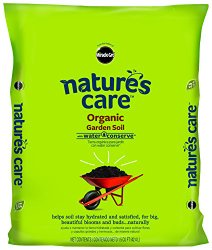
Good Soil - Nature's Care
Good Soil – Nature’s Care

Your Soil

The next point that you’ll have to address if you want to grow vegetables inside your home is the quality of the soil. For an indoor vegetable garden, invest in really good soil to ensure that your plants get as much food and nourishment as possible. Get a bag of top soil and mix it in with a quality (preferably organic) soil that’s made with plant food like this one. Expect to pay about $15 or more total for soil. You will be happy you invested in the good stuff when you start to see the results.

Planting the Seeds

When the soil is in place, start poking holes in your soil for planting your veggies. Don’t spend too much time worrying about the seeds being perfectly placed — the general rule of thumb for larger seeds is to add about two or three seeds per hole. Each seed pack has instructions for how far apart to plant each seed, because many varieties need room to grow. For smaller seeds, like carrots, poke plenty of holes in the dirt and sprinkle them fairly liberally. Another rule of thumb is that the depth to plant the seed should be about 3 times its diameter.

Quick tip: Keep the same type of plant in each planter; for example, don’t plant strawberries with potatoes.

Water and Watch it Grow

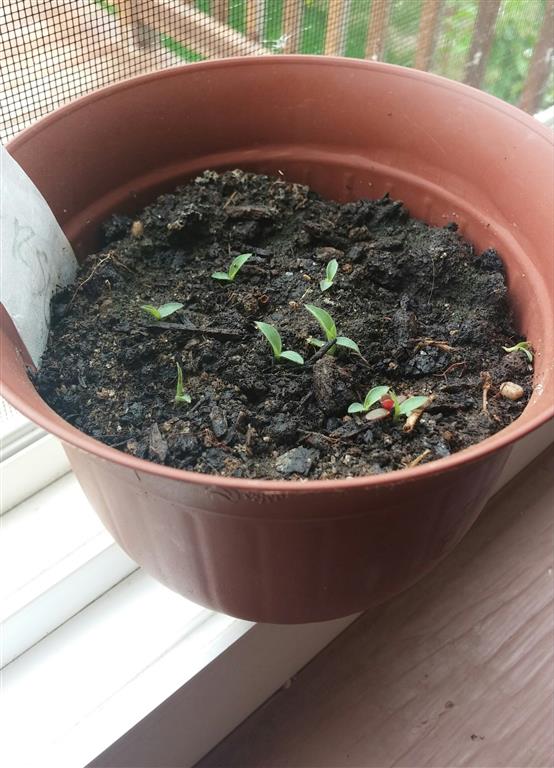
Parsley Seeds Growing

Once you have your seeds in place, it’s mostly a waiting game. Get a watering can and keep it right near your indoor vegetable garden. Water your planters daily at around 9 or 10 am each morning. The germination time for each type of seed varies, but you’ll generally start to see some sprouts after about 7-10 days. The time to ripe vegetables generally takes two or more months.

Growing your own indoor garden is going to save you a lot on grocery bills on a monthly basis, and it only requires a little bit of money, effort and planning. You will especially feel a sense of pride when you eat the items that you have grown from seeds. An added bonus is that tending to your garden daily can also become a stress reliever.

Happy Growing!


Posted by Eve

Share this:

  • Share on X (Opens in new window) X
  • Share on Facebook (Opens in new window) Facebook
  • Share on Pinterest (Opens in new window) Pinterest
  • Share on Tumblr (Opens in new window) Tumblr
  • Share on LinkedIn (Opens in new window) LinkedIn
  • Email a link to a friend (Opens in new window) Email
  • Print (Opens in new window) Print
  • More
  • Share on Reddit (Opens in new window) Reddit

Filed Under: Yard Work & Gardening Tagged With: gardening tips, growing veggies, indoor gardening, vegetable garding

Protecting Your Organic Vegetable Garden from Pests

May 7, 2015 By LovingOurHome.com Leave a Comment

Starting an organic vegetable garden is such an exciting experience — especially if you’re a first timer. As you start to see your little sprouts coming up more and more, you’ll probably also start to feel more and more protective of your little veggies. The goal is to keep the garden organic, so you don’t want to spray it with chemical pesticides and weed killers. Here are some tips for guarding your organic vegetable garden from unwanted pests using natural methods.

The Garden Fence

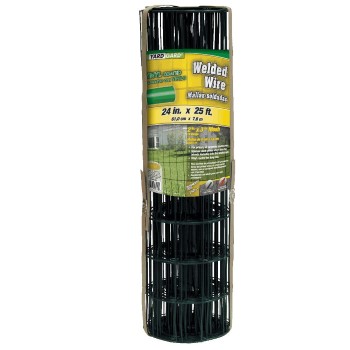
One of the best ways to keep small mammals, like rabbits and cats, out of your organic garden is to put a fence around it. You can go all out with a professional wire fence that’s rooted in the ground, or you can keep it simple with a plastic green fence that you can buy at a home improvement store. If you choose the latter option, place wood panels all around the edges of the garden and secure the plastic fencing to it with staples and a staple gun. Then get thin bamboo poles — thread then through the holes and gently hammer them into the ground.

garden fence

Keep Your Neem Oil Spray Handy

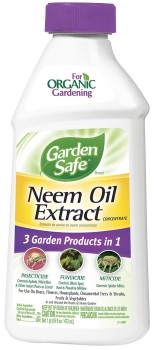
The deeper you get into the summer, the more you’re going to feel the urge to protect your lovely organic garden from crawling critters like worms, flies, and snails. Neem oil is a natural product that helps keep garden pests away. They just don’t like the smell or taste. Add about three drops of Neem oil to a quart spray bottle filled with water. Keep your Neem oil spray handy and on your hip, like you’re farming in the Wild Wild West.

neem oil

Scare Crow or Moving Owl for Birds and Squirrels

You’ve taken care of the crawling pests and kept the bunny rabbits at bay, but how do you deal with your flying friends? There are certain crops that birds absolutely love, like corn. They can’t resist those sweet delicious kernels of corn and will go through great lengths to peck through the sheaths. The classic solution that farmers use to ward off birds is a scare crow. You can also step it up a notch by putting a motion activated owl on a pole and putting it near your corn. The only thing better than that would be a scare crow that does the Macarena (or maybe just the two-step).

motion activated owl

Stand Up Weed Puller

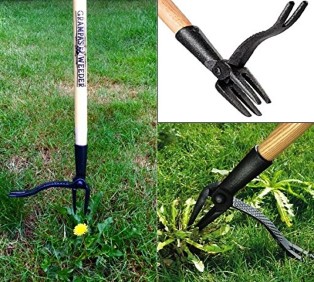
Weeds are going to find their way into your organic garden. They love the delicious fertilizer, soil and water as much as your veggies do. They steal resources from your plants. So to keep your garden organic, you have to get in there and pull them out regularly. Luckily there’s a product on the market that makes this easy — it’s called a stand up weed puller and it works well on stubborn weeds. Just push the three pronged end of the tool into the dirt, twist it a few times and pull out the weed. You need a little elbow grease, but it gets the job done.

weed puller

Maintaining an organic garden isn’t as difficult as it may sounds. You just have to keep a close eye on it and keep a few natural products and tools handy. Happy #Gardening!

Posted by Jasmine

Share this:

  • Share on X (Opens in new window) X
  • Share on Facebook (Opens in new window) Facebook
  • Share on Pinterest (Opens in new window) Pinterest
  • Share on Tumblr (Opens in new window) Tumblr
  • Share on LinkedIn (Opens in new window) LinkedIn
  • Email a link to a friend (Opens in new window) Email
  • Print (Opens in new window) Print
  • More
  • Share on Reddit (Opens in new window) Reddit

Filed Under: Yard Work & Gardening Tagged With: garden, gardening, weeds, yard work

  • « Go to Previous Page
  • Page 1
  • Page 2
  • Page 3
  • Go to Next Page »

Primary Sidebar

Categories

  • Beauty Tips
  • Cat Central
  • Dating, Love and Relationships
  • Food & Recipes
  • Health and Wellness
  • Home Buying or Renting
  • Home Care and Cleaning
  • Home Decor and Design
  • Home Equipment and Appliances
  • Home Finance and Budgeting
  • Home Improvement
  • Home Tips
  • Life Thoughts by Jas
  • Light Simple
  • Motivation and Self Help
  • Parenting Advice & Tips
  • Parties, Events, Holidays, Fun
  • Pest Control
  • Pets
  • Product Reviews
  • Quick Tips
  • Quotes
  • Shopping Advice
  • Special Deals
  • Summer Products
  • The Funnies
  • Things That Make Life Easier
  • Uncategorized
  • Yard Work & Gardening

Copyright © 2026 · Genesis Sample on Genesis Framework · WordPress · Log in